

Rhinoplasty is traditionally viewed as a procedure primarily for altering the nose, but many individuals seek a more refined objective: to enhance the contours or proportions of their nose while retaining the features that reflect their cultural identity.
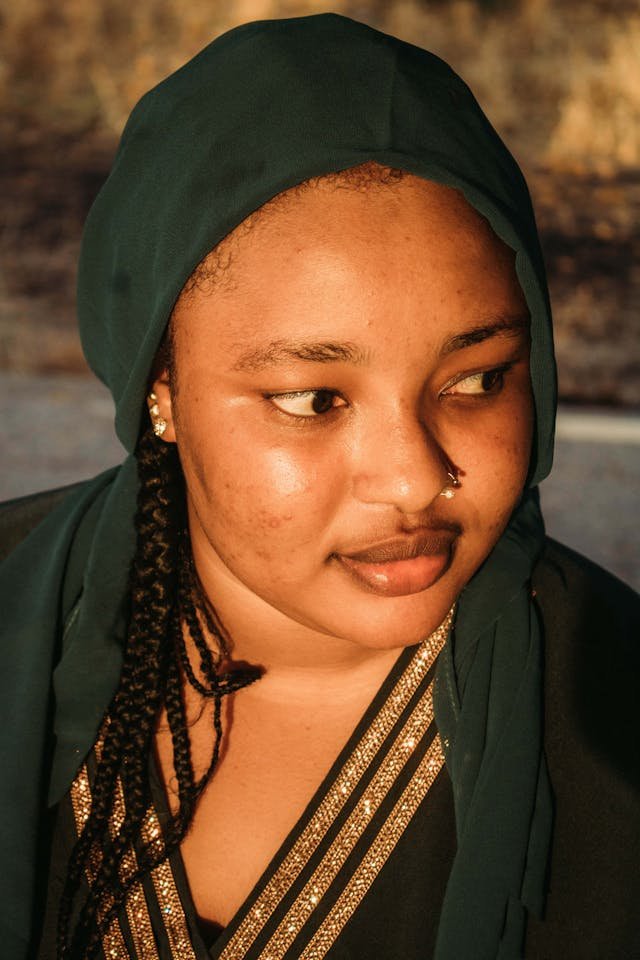
This pursuit of balance has sparked new discussions in the realm of facial plastic surgery. Nowadays, surgeons adopt an ethos distinct from the outdated “one-size-fits-all” doctrine, prioritizing the preservation of racial and ethnic characteristics while enhancing overall facial symmetry.
In prominent cosmetic surgery locations across the United States, especially in areas renowned for advanced facial procedures such as Scottsdale, ethnic rhinoplasty consultations focus heavily on these concerns. Patients aim to refine their culturally specific traits rather than eliminate them altogether.
Here are six prominent techniques employed by surgeons to maintain cultural facial features during the ethnic rhinoplasty process.
-
Focusing on Facial Proportions Rather Than Conventional Nose Designs
Many individuals pursuing rhinoplasty often express a similar desire: to enhance their nose while keeping the unique traits that signify their heritage. This anxiety is justified, given that past cosmetic fashions frequently favored slim nasal bridges or sharply defined tips that might not suit every face shape.
This concern leads many to explore ethnic rhinoplasty options in locations like Scottsdale, where modern techniques emphasize facial harmony over a homogenized appearance. During appointments, surgeons typically assess the entire face instead of isolating just the nose.
At Starkman Facial Plastic Surgery, specialists view rhinoplasty as a balance of structure, proportions, and cultural significance, rather than an adherence to a single cosmetic standard. This comprehensive evaluation helps patients understand that enhancement can respect and preserve their unique characteristics.
-
Retaining the Natural Structure of the Nasal Bridge
Distinct ethnic groups often exhibit specific nasal bridge contours. Some have higher and more pronounced bridges, while others might display a softer or lower profile.
Former rhinoplasty methods often aggressively reshaped the bridge to fit a narrower Western aesthetic. In contrast, contemporary surgeons adopt a more conservative approach, recognizing the essential role the bridge plays in defining cultural identity.
Instead of extensive removal of bone or cartilage, the focus is on refining imperfections while respecting the bridge’s original height and width in line with the patient’s natural profile. This careful preservation helps retain the nose’s inherent character while facilitating enhancements in symmetry and balance.
-
Enhancing the Nasal Tip Without Over-Refinement
Nasal tips vary greatly across ethnic lines. Some patients might possess a naturally rounded or softer tip due to variations in skin and cartilage thickness. Traditional surgical methods sometimes aggressively aimed to narrow the tip, which could result in an unappealing appearance and compromised nasal support.
In contrast, modern ethnic rhinoplasty emphasizes strengthening tip structures rather than unwarranted reduction. Cartilage grafts or subtle modifications may be utilized to add definition while preserving distinctive nose attributes. A supportive tip framework often leads to results that appear more natural while remaining aesthetically balanced.
-
Employing Cartilage Grafts for Structural Support
Cartilage grafting has emerged as a critical technique in ethnic rhinoplasty. These grafts enable surgeons to shape and reinforce the nose effectively while maintaining its natural proportions.
Cartilage may be harvested from the nasal septum, ears, or occasionally the ribs, contingent on the structural support needed by the nose. Once inserted, the graft provides a framework that fortifies the nose while directing its new contour.
This method is particularly advantageous for patients requiring subtle enhancement or improved symmetry rather than mere reduction. By establishing structure instead of removing it, surgeons can refine the nose while upholding the cultural features that shape its identity.
-
Tailoring Techniques to Skin Thickness
The thickness of the skin plays a surprisingly vital role in the results of rhinoplasty. Patients with thicker nasal skin, which is common in various ethnic groups, might achieve different outcomes compared with those having thinner skin. Thicker skin may soften the look of modifications made to the cartilage beneath, thus making careful structural planning crucial.
Instead of dramatic adjustments, surgeons often emphasize internal support and balanced reshaping. This customized approach aids in preserving natural contours while facilitating a smooth and proportionate healing process.
-
Emphasizing Cultural Sensitivity in Consultations
Mastery of surgical techniques alone cannot ensure the preservation of cultural identity during rhinoplasty. The consultation stage is equally crucial, as it enables surgeons to grasp the elements of the nose that hold the most significance for the patient.
Some patients may desire a reduction of a dorsal hump while maintaining nasal width, whereas others might seek tip refinement without altering the overall inherited shape.
Such discussions inform the surgical strategy. Surgeons routinely review photographs, analyze facial proportions, and consider how subtle modifications can impact the entire facial aesthetic. When the consultation prioritizes both identity and aesthetics, the outcome tends to reflect a blend of refinement and authenticity.
Conclusion
Ethnic rhinoplasty signifies a transformative approach in facial plastic surgery towards beauty and self-identity. Instead of reshaping the nose to fit a conventional mold, contemporary methods aim to enhance facial harmony while conserving features that encapsulate a patient’s cultural essence.
By implementing meticulous planning, structural support, cartilage grafting, and personalized consultations, surgeons can refine the nose while ensuring its inherent character remains intact. For many individuals, achieving this balance is paramount. The aspiration is not to emulate another person, but rather to present a more harmonized version of oneself, with cultural heritage and identity clearly manifested in their features.

Add Your Comment Cancel reply