

Vision is crucial for children’s learning, growth, and day-to-day interactions. Whether they’re reading in class, participating in sports, or socializing, their ability to see clearly significantly shapes their experiences.
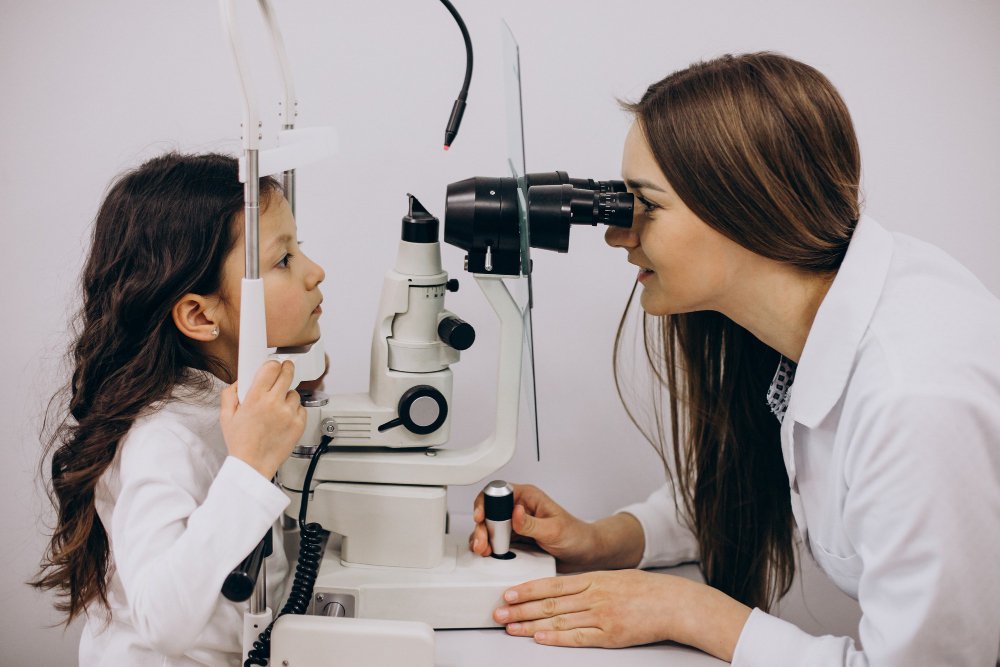
Yet, many visual impairments can emerge during childhood, often overlooked without appropriate assessments. The challenge arises because children might not recognize or articulate their vision challenges. This underscores the necessity of routine eye examinations. Early detection and intervention can mitigate minor concerns, preventing them from escalating into significant vision issues.
Let’s delve deeper into how children’s eye specialists play a pivotal role in safeguarding and enhancing children’s vision throughout their developmental journey.
The Necessity for Specialized Pediatric Eye Care
Children’s visual systems develop differently from adults, warranting the need for specialized pediatric eye care. In the early stages of life, particularly in areas such as Queens, the visual apparatus undergoes critical development. Ensuring proper focus and alignment during this phase is essential for healthy eyesight.
Pediatric eye care professionals possess the expertise required to assess visual challenges unique to children. They appreciate the impact that sight issues can have on academic performance, reading skills, and general growth. By diagnosing such challenges early on, these specialists can advise on corrective measures that foster the development of healthy visual habits.
Typical Visual Impairments in Children
Various eye issues frequently emerge during childhood, obstructing the ability of children to see objects clearly, read text, or concentrate on school tasks.
One prevalent condition is myopia, or nearsightedness, where a child might find it hard to see distant objects, such as the chalkboard in class.
Conversely, hyperopia—or farsightedness—makes it challenging to focus on close objects. Another issue is astigmatism, which occurs due to an irregular corneal shape, leading to blurred vision at different distances.
Additional pediatric visual impairments include amblyopia, often referred to as a lazy eye, and strabismus, characterized by misaligned eyes.
The Significance of Early Eye Assessments
Conducting regular eye examinations is a proactive method to detect vision impairments before they start hindering a child’s daily activities. These assessments allow pediatric eye specialists to track visual development and identify any potential issues early on.
Parents are advised to reach out to a pediatric eye specialist in Queens if they observe any signs of vision difficulties or if routine screenings raise concerns. Providers focused on pediatric eye care typically conduct thorough evaluations assessing visual acuity, eye alignment, and overall eye health.
Moreover, institutions like The Pediatric Eye Center concentrate on delivering specialized care for children facing vision challenges. Their offerings often encompass extensive pediatric eye assessments, condition evaluations like strabismus and amblyopia, and treatment strategies aimed at promoting long-term visual health.
Such measures ensure that any vision issues are detected and resolved before they affect academic performance or day-to-day activities.
Possible Treatments for Children’s Vision Problems
The treatment for children’s eye issues is contingent upon the specific visual concern. Often, corrective lenses such as glasses are prescribed to enhance focus and visual clarity.
For children with amblyopia, eye patch therapy might be suggested to reinforce the weaker eye. Vision therapy can also be utilized to promote better coordination between the two eyes.
In certain cases, surgical interventions may be required to rectify eye alignment or anatomical issues. Pediatric eye specialists carefully assess each situation to establish the most suitable treatment strategy.
Assisting Children in Adapting to Vision Correction
When children are prescribed glasses or other types of vision correction, there may be an adjustment period. Parents play a crucial role in motivating their children to consistently wear their glasses and adhere to the suggested treatment plan.
Helping children select comfortable frames and discussing how glasses enhance their vision can facilitate the adjustment process. Additionally, offering positive reinforcement can build their confidence in wearing corrective eyewear.
Regular follow-up appointments enable doctors to track progress and make any necessary adjustments.
Encouraging Eye Health at Home
Parents can promote their child’s eye health by fostering good habits at home. Reducing excessive screen time is vital, as prolonged exposure can cause strain on developing eyes.
Encouraging outdoor play is linked to more favorable vision development outcomes in children. Additionally, ensuring adequate lighting during reading or studying can mitigate eye strain.
Maintaining a well-balanced diet, abundant in vitamins A, omega-3 fatty acids, and leafy greens, also supports optimal vision health.
In Summary
Safeguarding a child’s vision is a crucial aspect of promoting their overall well-being and development. Vision is essential for learning, communication, and daily functioning, making timely eye care a priority. By recognizing potential red flags, scheduling routine eye check-ups, and seeking expert assistance when necessary, parents can help guarantee that their children cultivate healthy vision that fosters their growth and success.

Add Your Comment Cancel reply