

Engaging in outdoor activities significantly benefits children’s development. It allows them to move freely and discover new concepts. Many parents seek innovative ideas to transform their backyards into exciting spaces for the family.
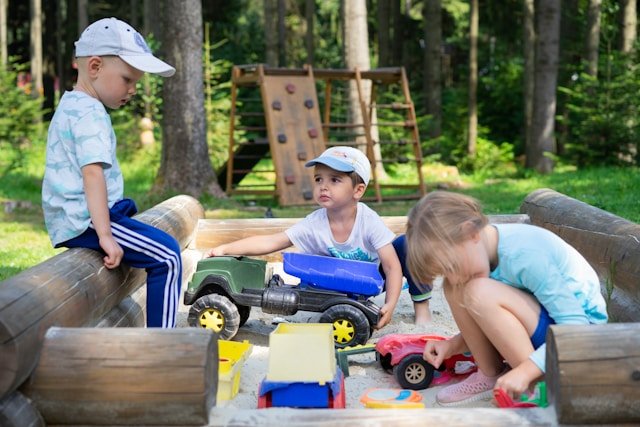
A thoughtfully designed area can keep children entertained and secure for hours. You can easily convert a simple grassy space into an adventure zone. This guide discusses effective strategies for creating a play area that your family will adore. The aim is to strike a perfect balance between enjoyment and safety at home.
Designing Your Backyard Space
Planning your yard layout is essential for organizing various activities. A recent design resource recommended partitioning the yard into specific areas for swimming or gathering to help families better utilize the space. This approach prevents toys from overwhelming the entire backyard.
You can define these areas with pathways or small fences. Pathways guide children where to ride bikes or scooters. Setting aside a space for messy activities keeps dirt at bay from the house. This setup allows multiple kids to engage in different activities concurrently without colliding.
Creating Robust Play Surfaces
A durable structure serves as the core of your outdoor play area. You can place tables for arts and crafts or small pools on these platforms. Materials like wood and composites remain cooler compared to dark asphalt, making the area more comfortable for bare feet during warmer months.
In Illinois, families often face rapid weather changes. Engaging a professional team from Platinum Decking in Illinois can help homeowners design a reliable space for outdoor activities. These wooden platforms offer a dry location for toys and games after heavy rains, providing a safer and smoother surface than uneven grass for young children.
Incorporating Nature for Exploration
Integrating natural elements into your yard inspires children to engage their senses. A resource on play environments noted that utilizing wood and foliage fosters children’s connection to their surroundings. These organic elements encourage imaginative play as they lack a specific function.
- Large boulders for climbing
- Sandboxes for digging
- Tall grasses for concealment
- Water tables for splashing
Natural materials are typically long-lasting and change with the seasons. Children enjoy observing the transformation of leaves or the formation of puddles post-rain. Such environments nurture an appreciation for the outdoors and offer hands-on science learning experiences.
Promoting Development and Well-being
Regular physical activity is crucial for children’s health. Outdoor play, including running and jumping, strengthens muscles and bones. Studies have indicated that outdoor play enhances cognitive skills more effectively than similar activities indoors. This cognitive boost aids in better concentration when returning to academic tasks.
Being outdoors also enhances children’s mood and reduces stress levels. Exposure to fresh air and sunlight can quickly elevate a child’s spirits. Consistent active play leads to improved sleep patterns, with many parents observing that kids who engage in outdoor play tend to be more relaxed come dinner time.
Ensuring a Safe and Cool Environment
The midday sun can be quite intense. Providing shade ensures that the play area remains functional even during hot weather. A design report indicated that shade structures can lower temperatures underneath by 25 degrees Fahrenheit, making a significant difference for children wanting to play outside for extended periods.
Using umbrellas or trees to provide shade is effective. Creating a cool resting spot helps prevent overheating and protects kids’ skin from harmful UV rays while they enjoy outdoor activities. Incorporating a small water feature can also enhance air freshness.
Current Trends in Family Outdoor Spaces
Today, backyards are evolving into extensions of indoor living spaces. A trend report highlighted that contemporary yards are increasingly designed as fully outfitted living areas that mirror indoor environments. This change allows parents to prepare meals or unwind while their children engage in exploration nearby.
Play areas are also becoming increasingly innovative and distinctive. An article discussing future trends noted that playgrounds are now regarded as hubs for creativity and learning. These spaces adapt as children grow, providing new challenges over time.
Developing a remarkable outdoor area requires time and careful planning. The goal is to create a space that is safe, enjoyable, and easy to care for. By incorporating distinct zones and natural elements, you can craft a location filled with cherished memories.
Children will love the freedom to navigate and play in their backyard. Begin with a few modest improvements and observe how much joy the outdoor experience brings to your kids.

Add Your Comment Cancel reply