

Nautical flags and signs used on boats are essential elements in the system of maritime communication. They serve to share crucial messages between vessels and communicate information to shore facilities, contributing to safety and operational effectiveness at sea. This article will explore their historical background, various types, and diverse applications, emphasizing the significance of these visual symbols in maritime operations. Used in numerous situations—from routine exchanges to critical emergencies—these flags enable sailors to broadcast vital information promptly and visibly, even when verbal remarks cannot be exchanged because of distance or background noise.
The Historical Development of Maritime Signaling
The signaling method using flags at sea is an ancient practice, established long before the emergence of radio technology for communication over great expanses. Initially, these signals were relatively straightforward but gradually developed into a detailed system capable of delivering complex messages. Today, the International Code of Signals (ICS) is a widely accepted standard that enables vessels from various countries to relay important communications without facing language obstacles. Historical accounts indicate that the earliest nautical signals employed simple colored flags, evolving into an intricate system as maritime travel grew more sophisticated, leading to the necessity for an advanced communication method to tackle diverse navigation and safety issues encountered by ships globally.
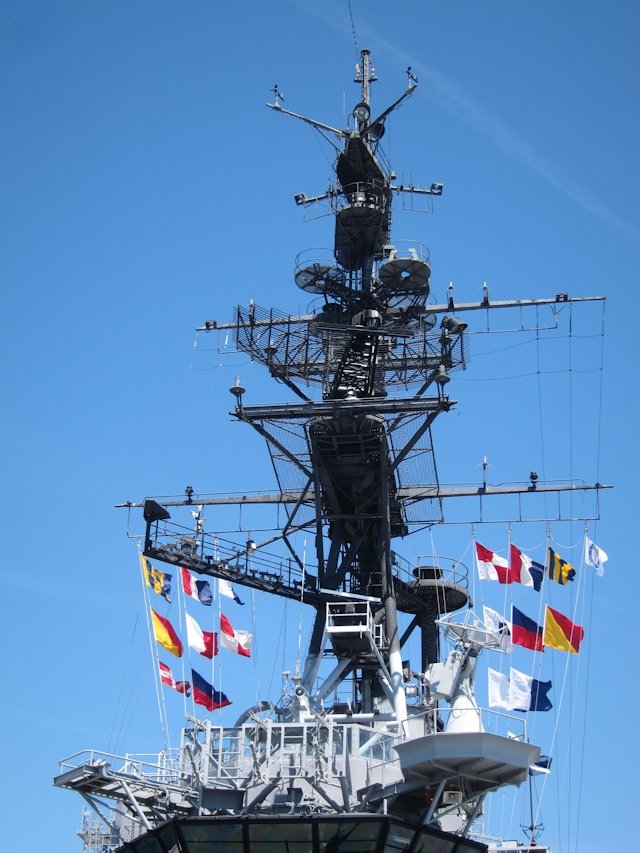
Decoding the International Code of Signals
The International Code of Signals consists of a collection of flags, each representing letters and specific, standardized messages. Each flag features a unique shape, color, and symbol indicating its assigned letter or meaning. By employing various flag combinations, mariners can convey comprehensive instructions, warnings, and essential information. Understanding these signals is vital for anyone piloting or navigating a vessel. This code’s detailed structure facilitates precise communication, crucial for preventing possible misunderstandings that could result in navigational mishaps or accidents.
Categories of Nautical Flags and Their Interpretations
Nautical flags are categorized into several groups, which include flags for the alphabet, numeral pennants, alternative flags, and specialized signals like those for emergencies. The alphabetical flags communicate messages while numeral pennants represent figures, dates, or times. Alternative flags serve to replicate letters within a message without needing extra flags. Recognizing each flag’s significance and appropriate application is crucial for effective maritime communication. These flags are not only tools for communication but also represent a rich maritime heritage, each bearing a universally acknowledged meaning that crosses language barriers.
Modern Applications of Boat Signs and Flags in Sailing
In addition to traditional nautical flags, contemporary vessels utilize various signs to enhance safety and adhere to maritime regulations. These can include draft markings, hull identification symbols, and capacity labels detailing a boat’s weight capacity and identification. Regulatory signs, indicating no-wake zones or speed limits, are also prevalent, promoting safe navigation in various maritime regions. These modern practices complement traditional flag signaling and are vital for managing the increasingly crowded and regulated waterways.
The Role of Nautical Flags in Safety
Ensuring safety at sea is paramount, and nautical flags significantly contribute to this safety communication. Certain flags represent man-overboard scenarios, cautionary alerts regarding hazards, or requests for assistance. For instance, the Alpha flag signals that a diver is in the water, urging nearby boats to maintain a safe distance, while the November Charlie flags together issue a distress warning. These flags are crucial for promoting maritime safety, providing clear and immediate communication in situations where promptness and accuracy are vital.
Environmental and Regulatory Compliance via Boat Signs
Boat signs also encompass labels and placards mandated by regulatory bodies, such as those that prohibit oil discharges or outline waste management protocols. These signs are essential for ensuring that vessels comply with ecological regulations, prevent pollution, and encourage sustainable practices within marine settings. The relevance of this aspect of maritime signage has grown, as governments and international organizations increasingly advocate for environmental conservation.
Overcoming Navigational Challenges through Flag Use
Navigational difficulties at sea, such as low visibility, congested shipping lanes, or complex harbor entrances, often require effective communication using flags. For example, during specific sailing events or within ports, designated flags might guide vessels, denote race progress, or impart operational instructions, thereby reducing the likelihood of accidents and confusion. The strategic deployment of these flags can vastly enhance both safety and operational efficacy in busy or challenging marine environments.
The Cultural Importance of Nautical Flags
Aside from their functional roles, nautical flags bear cultural weight in seafaring communities. They often feature in various ceremonies and festivities, with their vivid colors and designs depicting different maritime customs. During occasions such as the commissioning or decommissioning of ships, specific flags are raised to celebrate these events, reflecting the rich legacy and traditions cherished by those involved in seafaring. This cultural dimension further enhances the understanding of nautical flags, intertwining their practical uses with historical and ceremonial significance.
Integrating Technology with Traditional Signaling
As technology progresses, the combination of traditional signaling with new tech tools is becoming more common. Systems incorporating digital signaling, GPS, and other navigational aids work concurrently with traditional flags, improving clarity and dependability in communication. This fusion of historic and contemporary tools ensures that maritime communication remains effective and flexible to evolving circumstances. Technology also enhances the training process for novice sailors, providing simulated and virtual settings to grasp the importance and correct application of nautical flags before transitioning to real-life scenarios. This technological evolution not only honors the long-standing traditions of maritime signaling but also modernizes them, significantly improving safety and functionality in maritime operations. Real-time communication and enhanced decision-making capabilities are enabled onboard, bridging the divide between historical practices and modern maritime needs.
Nautical flags and boat signs are integral to maritime tradition and safety protocols, functioning as more than mere tools for communication. Although rooted in centuries of maritime history, their ongoing relevance is crucial for safe and effective navigation at sea. Proper understanding and application of these signals can substantially heighten navigational safety and operational proficiency, thereby ensuring order and security across waterways. As maritime activity expands, the significance of these signaling tools remains steadfast, emphasizing the continuous need for education and adherence to established maritime signaling practices.

Add Your Comment Cancel reply