

Optimal Herbs for Drying
Drying fresh herbs offers an exciting method to incorporate your favorite flavors into meals, beauty routines, and cleaning products throughout the year. Choosing the most suitable herbs for home drying becomes straightforward when you understand the characteristics to consider. Some herbs dry and store more efficiently than others, making them ideal candidates for preservation. When planning your herb garden as the growing season winds down, reflect on how you intend to utilize your dried herbs and design your garden accordingly.
Here are some of the top and simplest herbs to cultivate for drying purposes. Be attentive to each plant to determine the optimal cutting time, as each herb has a specific period when its aroma or blooms are at their peak.
Thyme
Thyme is an excellent choice for novices looking to dry herbs. Its slender stems and leaves dry quickly and don’t require much time to prepare. As thyme plants typically blossom after a few weeks, it’s crucial to cut the stems as soon as flower buds appear. Collect the stems and hang them in a clean paper bag for drying.
 Rosemary
Rosemary is straightforward to cultivate, thriving in well-drained soil under full sunlight where it can expand its branches. Ideal for seasoning dishes and spice blends, rosemary leaves should be harvested when their scent becomes noticeable without needing to touch them. Pick sprigs in the early morning or after a dry spell.
Tarragon
Tarragon is a flavorful herb that’s best dried and then ground into powder for use in various dishes, including chili, meats, and sauces. It retains its distinctive taste remarkably well when dried, and only a small amount is needed to enhance your meals.
Cilantro
The term cilantro refers to the herb itself, while coriander denotes the seeds frequently dried and used in cooking. Although fresh cilantro adds vibrant flavor to dishes, it doesn’t dry well. On the other hand, coriander can be easily dried by collecting the seeds and placing them in a dark, dry area.
Oregano
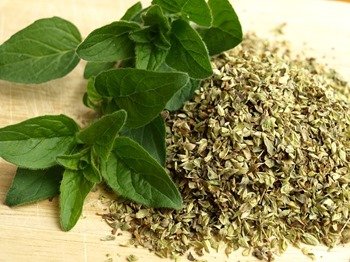
This Mediterranean herb’s leaves are suited for drying, but it’s essential to harvest them just before the budding stage. This timing helps maintain their flavor. To promote growth, avoid removing entire stems; instead, pick only the older leaves from the center, leaving the younger ones to continue flourishing.
Do you cultivate, gather, and dry your own herbs? Which varieties do you prefer?
Add Your Comment Cancel reply

Comments