

Technology and Young Children
Raising children in today’s world without some level of technology is a near impossibility; you’d need to venture far away, possibly even to Mars, to escape it. Yet, even that distant planet would not be devoid of technology. Regulating when your child is first exposed to tech can be a challenge since, by the time they arrive in the world, that ship has largely sailed.
Technology is ubiquitous. Take the growing trend of parents placing baby monitors or cameras in cribs, or even attaching various monitors to their infants. Before long, these babies will likely be gifted toys that require batteries.
While concerns about early exposure to smartphones are common, as long as usage is moderated, such exposure can actually help children adapt and learn more quickly. We often discuss technology as if it were an entirely different entity, but it is simply part of our reality. When introducing technology to your young one, here are several key points to keep in mind:
 Ensure Safety for Both the Device and the Child
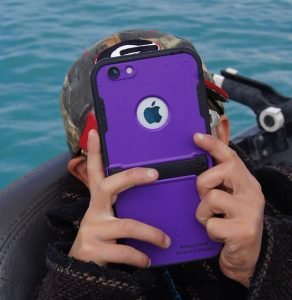
For an infant, an iPhone 6 might seem like an enormous desktop computer. Its buttons, sounds, glowing lights, moving visuals, and responsive interface make it an enticing toy. However, while it serves as a captivating gadget for babies and adults alike, the risk of misuse is significant.
Adults generally comprehend how to use these devices responsibly, but children require guidance. During this learning process, it’s crucial to shield them from potential hazards linked to their innocence, short attention spans, and developing fine motor skills. Additionally, their curiosity might lead to costly damage to your devices. That’s why investing in protective cases designed with advanced technology, similar to that of sports equipment, is wise. A broken device benefits neither parent nor child, so safeguarding them is essential before offering access.
Suitability for Age
Buying a toddler an iPhone is unrealistic. However, numerous toy smartphones designed for little ones produce lights and sounds, thus representing technology intended for their age. The critical issue isn’t whether kids should use smartphones, but rather ensuring their exposure aligns with their developmental stage.
When you give your iPhone to a three-year-old for a FaceTime call with Grandma, they’re engaging in an appropriate and relatively advanced use of technology. The focus should be on providing age-appropriate technological tools for children.
Research indicates that 25% of children aged 4 to 6 spend about 50 minutes daily on computers. Children are generally ready to enjoy educational content as early as age 1, while by age 2, they can handle an e-reader. At age 4, supervised Internet use becomes appropriate. The emphasis should be on suitable technology usage at the right times for each age group.
Establishing Limits
Even as children grow and become capable of using technology on their own, they still require boundaries. While savvy children might find ways to bypass restrictions, these experiences can pave the way for essential skills later in life. For those unfamiliar with setting parental controls on iOS devices, numerous tutorials are available. Those with Android devices will have to seek specific guides based on their models, as functionalities can differ.
Additionally, many applications can offer monitoring features for concerned parents, allowing them to track online activities and keystrokes.
Attempting to completely halt your child’s interaction with technology is neither possible nor advisable. Instead, focus on protecting your devices and your child, ensuring age-appropriate usage, and implementing parental controls for a safer experience.


Comments