

Exploring the mountains as a family, particularly with children, can be an enriching way to engage with nature, escape the usual hustle and bustle, and forge lasting memories. The fresh mountain air, stunning vistas, and inherent thrill of outdoor adventures ignite a sense of wonder and excitement in young ones.
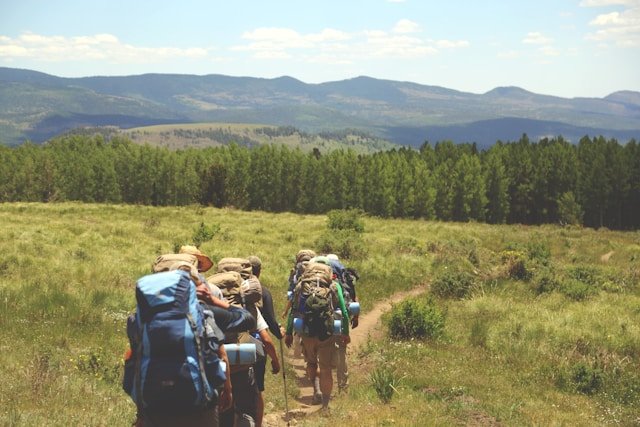
However, mountain environments can be unpredictable and physically challenging for young adventurers. With fluctuations in weather, variations in altitude, rugged terrain, and limited access to amenities, parents must plan meticulously and anticipate challenges.
The Unique Nature of Family Mountain Trips
Bringing children to the mountains offers an exceptional chance for family connection, enjoyment of fresh air, and new experiences. Nevertheless, mountain outings pose specific environmental and physical hurdles requiring careful consideration.
Mountains are home to unpredictable conditions, featuring rapidly changing weather patterns, elevated altitudes with thinner air, and trails that can test both endurance and confidence. While these aspects require respect from adults, families must strike a balance between thrilling activities, safety, sufficient rest, and adjustment to each child’s individual needs.
Selecting the Ideal Mountain Destination
In choosing a mountain destination, it’s essential to evaluate the trails regarding their distance and difficulty, proximity of local services, and the types of trail environments—be it forested paths, exposed ridges, or steep slopes. Feel free to opt for routes that offer stunning views without the pressures of summiting prominent peaks like Mont Blanc, unless you have substantial mountaineering expertise as a family. Seek destinations that reward you with beautiful scenery while keeping risks manageable.
Consider the amenities at your base location. Mountain towns that provide family-friendly accommodations, easy access to trails, and available guided activities can enhance your experience and reduce stress. Target areas with well-kept paths and clear markers to boost confidence for both adults and children on the trail.
Evaluating Your Children’s Preparedness
Each child is unique, and what suits one may not suit another. Before embarking on more challenging terrains, it’s imperative to assess your children’s physical and emotional readiness. Consider the following questions:
- Have they gone hiking previously?
- Can they walk for several hours with short breaks?
- Are they at ease on diverse trail surfaces?
- How do they react to discomfort, fatigue, or unforeseen circumstances?
Some children thrive on challenges and changes, while others may feel overwhelmed. Consider local, shorter hikes before the trip to build their endurance and confidence. These excursions can help introduce them to necessary gear and expectations while assessing their capability to handle elevation changes and longer stretches of walking.
Essential Packing for Safety and Comfort
Traveling in mountainous regions requires more extensive planning than typical beach outings or city explorations. Prioritizing comfort and safety for children is crucial.
Begin with clothing suitable for unpredictable weather. Mountain conditions can change swiftly, making layered clothing a necessity. Essential items include breathable base layers, warming mid-layers, waterproof outer layers, hats, and gloves. Ensure that well-fitted, broken-in footwear is prioritized.
Important items to include are:
- Sunscreen and sunglasses (since UV exposure increases at higher altitudes)
- Sufficient water and high-energy snacks
- A child-focused first-aid kit
- Navigation tools (maps, compass, GPS)
- Flashlights or headlamps along with extra batteries
For more ambitious hikes, consider using trekking poles for older kids and adults for improved stability, while younger children may fare better in child carrier backpacks rather than walking the entire trail.
Health Considerations, Altitude, and Emergency Preparedness
Mountain regions can present health risks that aren’t prevalent at lower altitudes. A primary concern is altitude sickness, which can affect adults and children alike when ascending too swiftly.
Symptoms may include headaches, nausea, exhaustion, and dizziness. Ascend gradually and include acclimatization days within your itinerary. Vigilantly watch for any distress signals and be ready to descend to a lower elevation if needed.
Keep basic emergency communication tools on hand, such as a charged cell phone, a portable charger, or a personal locator beacon for remote areas. Familiarize yourself with the nearest ranger stations, medical facilities, and safe locations to seek shelter, empowering you to respond effectively if assistance is required.
Making the Experience Fun for Kids
Engaging children’s curiosity helps create a pleasurable journey for all involved. Transform hikes into nature scavenger hunts, encouraging them to observe animal tracks, identify plants, or find distinctively textured rocks. Let kids assist with simple navigation tasks like reading trail signs or employing a compass.
Regular breaks for snacks, hydration, and simply savoring the views are essential. Frequent, short pauses can prevent exhaustion and foster excitement for the next part of the journey. Celebrate every achievement, regardless of its size, and allow kids to set minimal goals.
Recognize that children’s energy levels fluctuate differently than adults. Stay adaptable, and if a trail proves too long or challenging, feel free to turn back and try something easier on your next outing. The focus should be on creating joyous memories rather than testing endurance.
Adventure in the mountains with children can lead to immensely fulfilling family experiences, provided it is approached with thoughtful planning and realistic expectations. The mountains present an awe-inspiring backdrop for connection—not only with nature but also among family members—and teach respect for their inherent challenges. Families can transform potential obstacles into invaluable learning opportunities.

Add Your Comment Cancel reply