

Have you ever pondered the future of your child as an adult? One certainty is that your child will likely grow up with Teslas and autonomous vehicles integral to their teenage years. It’s likely that your children will soon be operating a robotic car emblazoned with futuristic technology. Teslas represent only the initial wave of a revolutionary approach to transportation.
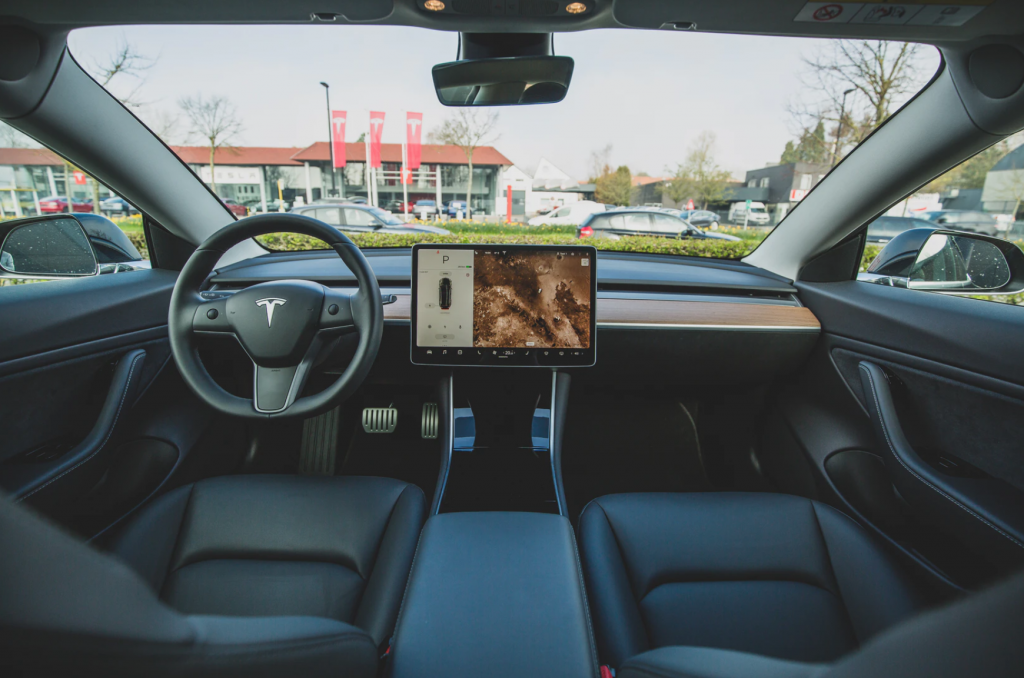
So the question arises: are self-driving vehicles safe? The general consensus is mostly affirmative, though there is some debate involved.
The following topics will be addressed in this article:
- Definition of self-driving vehicles
- Assessing their safety
Understanding Autonomous Vehicles
The concept of a vehicle operating without human intervention is not entirely new. Cruise control was first introduced in 1948. The evolution of automotive technology has progressed significantly since then—seatbelts, for example, came onto the scene in 1959. As indicated by a 2012 IIHS survey, roughly 8,000 lives would have been lost that year if vehicular technology had not advanced since 1985.
Autonomous vehicles, or self-driving cars, equip cars and trucks with genuine driving assistance capabilities. Genuine driving assistance goes beyond mere auto-braking systems; it encompasses six levels of automation, ranging from Level 0 (manual control) to Level 5 (full automation). Current driver assistance technology is classified as Level 1, which many households are already familiar with—such as cruise control and systems that maintain a safe following distance from other vehicles.
Tesla’s self-driving feature is presently categorized as Level 2 automation, though Elon Musk has indicated plans for Tesla to achieve full Level 5 automation by mid-2020. Similarly, companies like Tesla and Uber are planning to introduce AV taxi services, while Uber has created a functioning prototype of an autonomous flying vehicle. Future family gatherings may resemble scenes from The Jetsons.
Naturally, legislation must advance alongside technological progress. Car safety standards have improved considerably since the time of The Dukes of Hazzard.
Evaluating Safety
According to Business Insider, out of the 88 accidents involving autonomous vehicles in California since 2014, the majority (81) were caused by human error rather than by the vehicles themselves, with only one incident attributed to a technical malfunction.
That said, assessing safety can be complex. The difficulty lies in evaluating vehicle safety using fatality rates per 100 million miles driven. Companies conducting research on self-driving trucks and cars account for approximately only 10 million miles each, making comparisons challenging.
The complexity increases when discussing insurance. Determining whether an Uber driver was involved in an accident can be more complicated than one might expect,” noted a Tampa accident lawyer from the SteinLaw Group.
Generally speaking, however, studies indicate that automated driving systems are typically safer than human drivers.
Presently, the average human fatality rate stands at about 1.16 deaths per 100 million miles driven.
Advantages
- Prevention of Tragic Incidents
Machines inherently outperform human operators in driving because they lack distractions such as alcohol or texting. Some experts predict that in the foreseeable future, there may no longer be a requirement for people to obtain a driver’s license.
While machines excel at performing specific tasks, they are most effective within narrowly defined parameters.
- Facilitated Multitasking
Today’s individuals face immense pressure. Many have chosen freelancing or changing jobs frequently, necessitating extraordinary time management skills. Autonomous vehicles may eliminate distracted driving and usher in an era of mobile offices for those pursuing a high-energy lifestyle.
- Enjoying Meals While Driving
While this may fall under multitasking, enjoying food during commutes deserves its own mention.
Disadvantages
- Reduced Control for Users
In our rapidly advancing technological era, many feel left behind by growing automation. Accepting personal accountability for actions is a valuable lesson that many young drivers must learn.
Control is a profound concept for the human psyche, one that draws significant cognitive resources. Much of daily life revolves around efforts to establish a sense of control. What implications do self-driving vehicles hold for the mindset of young drivers? Will the absence of traditional driving experience impact them in the long run?
Only time will reveal the effects.
- Potential Job Reduction
This is a point of discussion for many families. While the rapid pace of change can be intimidating, it’s essential not to overlook the opportunities for growth and evolution within the market. As new technologies emerge, new job sectors will arise. Your child may find employment within the autonomous vehicle industry in the future, making it valuable to contemplate what future demands will be.


Add Your Comment Cancel reply