

Ribeye steak is synonymous with high-end dining experiences, originating from the rib section of a cow, typically between ribs six and twelve. Renowned for its rich marbling and exceptional tenderness, this cut does not just come about; it results from meticulous butchering and thoughtful selection processes that enhance the quality expected by steak aficionados.
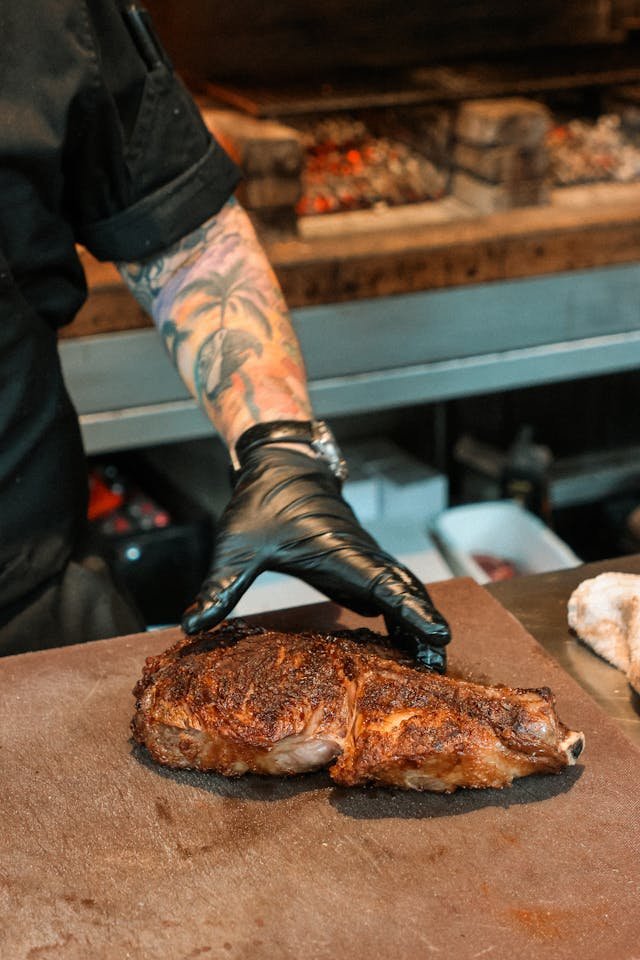
Professional butchers expertly carve out the ribeye from the rib primal, taking great care to maintain its signature texture and the even distribution of fat. This marbling, integral to the ribeye’s famous juiciness and depth of flavor, melts beautifully during cooking, enriching the meat with its savory essence.
The process of preparing ribeye extends beyond butchering; storage and aging are vital as well. The popular technique of dry-aging enhances both flavor and tenderness, allowing natural enzymes to break down muscle fibers over several weeks, resulting in the nutty and complex flavor that steak lovers crave.
The Distinct Appeal of Ribeye: Flavor and Texture
The ribeye’s distinction lies in its remarkable combination of flavor and texture. The fat intrusions within the muscle provide a buttery softness that melts upon tasting. Additionally, this intramuscular fat enhances the flavor profile, inviting an indulgent culinary experience.
The flavor itself is a rich tapestry, with meaty intensity complemented by a hint of sweetness from the fat. The ribeye cap, or spinalis dorsi, is especially prized for its juicy consistency and deep flavor, presenting a firmer bite than the central section and creating a delightful contrast.
Additionally, the ribeye’s flexibility in cooking techniques makes it a go-to choice for chefs and culinary enthusiasts. Be it a high-heat sear on a cast iron skillet, smoky grilling, or broiling, ribeye consistently showcases its exemplary quality, securing its reputation as a premier steak cut.
Selecting the Ideal Ribeye: Key Factors
Choosing an excellent ribeye steak involves recognizing quality indicators and understanding beef grading systems. The USDA categorizes beef into three primary grades: Prime, Choice, and Select. Prime-grade ribeye, typically from cattle with abundant marbling, represents the highest quality, offering enhanced tenderness and flavor.
When selecting a ribeye, emphasize its marbling first. Look for fine, evenly spread fat within the muscle and steer clear of cuts with excessive outer fat, which can negatively impact the experience. An ideal thickness of at least one inch allows for perfect searing while keeping the inside succulent.
For an extraordinary culinary experience, consider premium options such as Wagyu beef, with suppliers like destinationwagyu.com providing expertly crafted ribeyes featuring remarkable marbling and unrivaled texture, making for an experience that rivals esteemed steakhouses, all conveniently delivered to your home.
Getting Ribeye Ready: Preparation and Tips
Effective preparation is crucial for unlocking a ribeye steak’s potential. Prior to cooking, it is beneficial to allow the steak to reach room temperature by resting it outside the fridge for 30 to 60 minutes. This step ensures that the meat cooks evenly, avoiding a situation where the exterior is overdone and the center stays cold.
Seasoning should be both straightforward and impactful. Coarse salt and freshly cracked pepper suffice to bring out the ribeye’s inherent flavors. Some chefs prefer to incorporate garlic herb butter or a spice rub with paprika, garlic powder, and cayenne for added taste.
When cooking, high heat is essential. Searing at an elevated temperature instigates the Maillard reaction, yielding a delicious golden-brown crust. This crust not only enhances textural contrast but also amplifies the steak’s savory profile. The reverse-sear method, initially cooking the steak slowly in the oven before a high-temperature finish, is another effective approach that ensures both a superior crust and a tender interior.
Cooking Techniques: Sear, Grill, or Broil?
The ribeye’s adaptability shines through various cooking methods, each contributing uniquely to its flavor and texture.
Searing is perfect if you desire a delectable crust with a juicy medium-rare center. A hot cast iron skillet excels in achieving this result, and using elements like butter, garlic, and fresh herbs during cooking further enhances the steak’s natural flavors.
Grilling introduces a smoky flavor that pairs wonderfully with the ribeye’s rich taste. Using a charcoal grill especially adds depth that’s hard to replicate via other methods. To avoid flare-ups from the melting fat, it’s effective to use a dual-zone grilling strategy: direct heat for searing and indirect heat for finishing.
Broiling is an efficient option, especially during cooler months when grilling outside isn’t possible. Placing the steak a few inches beneath the broiler element creates a beautifully caramelized crust while sealing in the moisture. Rotating the steak halfway through will enhance even cooking results.
Enjoying Ribeye: Pairing and Presentation
To fully appreciate a ribeye, pairing it with complementary sides and showcasing it elegantly is ideal. Accompaniments such as creamy mashed potatoes, roasted asparagus, or a fresh arugula salad can balance and enhance the richness of the steak. For a more daring combination, consider truffle mac and cheese or caramelized Brussels sprouts.
Wine pairings also elevate the ribeye experience. Full-bodied reds like Cabernet Sauvignon or Malbec perfectly complement the steak’s robust character. A rich Chardonnay can also serve as an unexpectedly delightful combination for white wine enthusiasts.
Presentation is equally important. After cooking, allow the steak to rest for five to ten minutes to enable even redistribution of juices. Slice against the grain for optimal tenderness, arranging it on a warmed plate. Finishing touches like fresh rosemary or a drizzle of balsamic glaze can enhance both flavor and visual appeal.
The Ribeye’s Place in Culinary Culture
Ribeye steak occupies a unique position in culinary circles, representing both luxury and quality. Its evolution—from an insider’s secret to a featured dish on upscale restaurant menus—highlights its widespread appeal. With the growing trend of discerning steak enthusiasts prioritizing quality and craftsmanship, the ribeye’s status continues to rise.
As food culture shifts toward sustainability and ethically sourced ingredients, the ribeye has become a representation of conscious consumption. Producers focused on humane practices and premium feed strive to create superior products that align with consumer values, elevating ribeye from a simple cut to a culinary icon.
Whether savored at a summer barbecue or in a Michelin-star restaurant, ribeye steak continues to enthrall diners. Its unmatched flavor, tenderness, and versatility make it a perennial favorite, celebrating the art of steak making and enjoyment.

Add Your Comment Cancel reply