

No traveler wants to confront a medical crisis while abroad. Nonetheless, unforeseen accidents and illnesses can occur unexpectedly. Being equipped with knowledge and preparation for handling medical exigencies while traveling is essential. This article outlines five vital strategies to effectively manage medical care while on the road.
Understand the Healthcare Framework of Your Destination
Prior to your journey, invest some time in learning about the healthcare framework of your travel destination. Research any particular health threats that could be present, such as common diseases or safety concerns. Locate reputable medical facilities, clinics, and pharmacies, and keep their address and contact details accessible.
It’s prudent to verify if there are any health alerts or vaccination prerequisites for your destination. Consult your healthcare provider or a travel medicine specialist to make sure you receive necessary vaccinations and have your medications in order.
Keep Important Medical Records Handy
While traveling, it’s crucial to have key medical information readily available. Maintain a list of your medications, allergies, and any ongoing health conditions. Keep your physician’s contact details and a copy of your medical records close at hand.
For those with significant medical conditions, consider wearing a medical alert bracelet. This can provide crucial information to healthcare personnel in an emergency when you might be unable to communicate.
Prepare a Comprehensive First Aid Kit
A well-equipped first aid kit is essential for every traveler. Basic components should include band-aids, antiseptic wipes, pain relievers, and any regular prescription medications. Depending on your travel itinerary and activities, you might want to add insect repellent, sunscreen, and remedies for motion sickness.
Familiarize yourself with your first aid kit’s contents and their usage. Taking a basic first aid course prior to your travel can equip you with the knowledge to address minor medical issues independently.
Be Aware of Emergency Response Procedures
In a medical crisis, knowing how to access emergency services is vital. Research and save emergency contact numbers specific to your destination either on your phone or written down in an easily retrievable location.
Emergency protocols can vary greatly in different countries. Be prepared for variations, as some places may not provide immediate ambulance services or may have longer response times. It’s wise to familiarize yourself with the nearest hospital or clinic.
Evaluate the Benefits of Travel Insurance
Travel insurance can offer reassurance and financial protection against unforeseen medical costs during your trip. Seek a plan that covers emergency healthcare, transportation for evacuation, and return to your home country.
Pay attention to policy specifics, including any limitations or exclusions. Some plans may not accommodate pre-existing health conditions or particular high-adventure activities. Remember, travel insurance is a supplement to your primary health insurance and should not replace it.
Be Equipped for Minor Health Issues
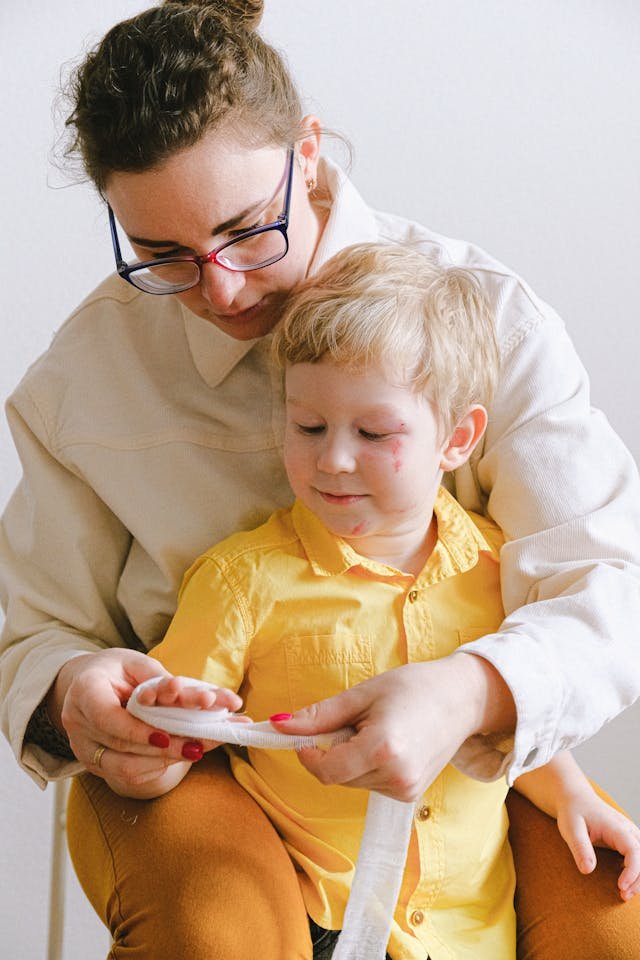
While readiness for severe medical emergencies is essential, don’t overlook the probability of minor injuries that can happen during travel. Common issues like cuts, scrapes, or blisters arise often while discovering new locations.
Knowing how to clean and treat a minor wound is critical for preventing infection and encouraging healing. Hospitals provide wound care services, which can be beneficial for significant injuries, but having the appropriate supplies and knowledge in your first aid kit usually suffices for everyday ailments.
Conclusion
Traveling offers an exhilarating adventure, but it’s imperative to be ready for any medical scenarios that can occur. By familiarizing yourself with the healthcare system of your destination, keeping crucial medical information handy, packing a first aid kit, learning about emergency services access, considering travel insurance, and preparing for minor injuries, you can enjoy a safe and healthy journey.
Remember not to let concerns about medical emergencies overshadow your desire to explore the globe. With adequate preparation and knowledge, you can travel confidently and fully embrace the wonderful experiences ahead of you.

Add Your Comment Cancel reply