

Every household faces the daily challenge of managing waste. Implementing effective systems can clean up living areas and diminish the clutter that ends up in landfills.
Even minor adjustments in how we dispose of items can lead to significant changes. Understanding efficient sorting and disposal techniques can save resources and keep neighborhoods tidy.
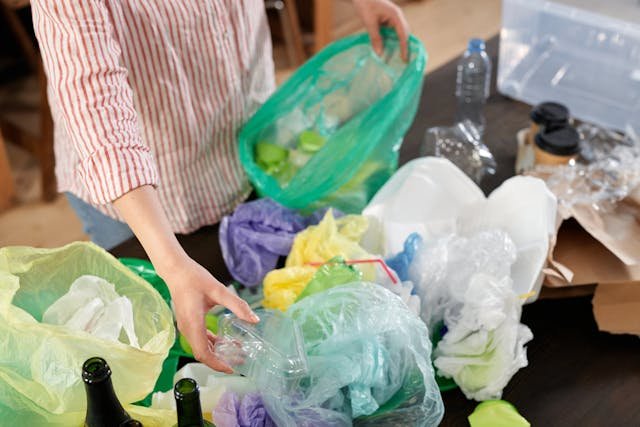
Establishing Household Recycling Systems
Setting up a recycling system is crucial for maintaining a cleaner environment. Use labeled bins in accessible areas like the kitchen or garage to make sorting easier for the whole family – designated containers for paper and plastic prevent clutter in shared spaces.
Research on local waste management revealed a recycling rate of approximately 23%, indicating considerable potential for improvement in how residents manage paper and plastic. Increasing this figure would lessen the strain on local waste processing centers.
Make sure to rinse food containers before placing them in the recycling bin. Clean materials are not only easier to process but also help eliminate odors in the home, reducing the risk of pest infestations.
Preparing for Large Cleanup Efforts
Renovation tasks result in significant debris that requires appropriate disposal. Often, these bulky items do not fit standard curbside collection, necessitating a more organized approach. Homeowners frequently find themselves with excess old furniture or materials after these projects.
Construction projects typically yield more waste than what conventional bins can accommodate. Renting a dumpster in Atlanta can effectively manage this heavy waste while allowing homeowners to concentrate on their renovations without accumulating debris in their yards.
Select an appropriately sized dumpster to handle the project load, which prevents overflow and keeps the driveway safe and organized.
Tackling Kitchen Waste
Kitchen waste often constitutes a large portion of household garbage. Minimizing this volume lightens the burden of weekly trash pickup. Adjusting your shopping list can be an effective first step in reducing waste.
Statistics indicate that food is the leading material in US landfills, making up more than 24% of municipal waste and generating harmful greenhouse gases as it decomposes. This reality underscores the importance of better food management practices in every kitchen.
Plan meals thoughtfully to avoid purchasing excess food. Store leftovers in transparent containers so they remain visible and are used before spoiling.
The Natural Advantages of Composting
Composting is an environmentally friendly way to convert organic waste into nutrient-dense material for gardens, recycling essential nutrients rather than discarding them. This method transforms kitchen scraps into a beneficial asset for your plants.
Research within the industry indicates that compost enhances soil integrity, reducing erosion, retaining moisture, and promoting healthier ecosystems throughout the growing season.
Using compost in your garden offers several benefits:
- Enhances soil structure for optimal plant growth.
- Improves water retention during dry periods.
- Supports the proliferation of beneficial soil microbes.
- Reduces reliance on chemical fertilizers for your garden beds.
Home Waste Processing Tools
Advancements in technology and tools have made it simpler to process waste in backyards. Small bins or electric digesters can manage everything from vegetable peels to coffee grounds, converting scraps into usable compost within weeks.
Market analysts predict that the demand for household composting equipment will exceed $561 million shortly, indicating a growing interest in managing waste sustainably in residential areas.
When choosing a compost bin, ensure it has secure seals to deter pests. A robust construction will offer longevity and provide a continuous supply of nutrient-rich soil for your plants.
Dealing with Heavy Renovation Waste
Waste from construction requires sturdier containers than typical paper or plastic bags. Materials like bricks, tiles, and drywall are significantly heavier and can easily damage standard trash bags. Therefore, using robust containers designed for heavy-duty waste is preferred.
A recent logistics analysis found that specialized heavy-duty bags can accommodate up to 3,300 pounds of debris, making them ideal for small renovation tasks or substantial garden cleanups. They provide flexibility for projects that may not require a full-size dumpster.
Always check the weight limitations of any bags or bins you utilize, as exceeding these limits can hinder safe pickup.
Enhancing Pickup Efficiency
Minimizing trips to disposal sites is beneficial for the environment, saving time and reducing vehicle maintenance costs. Careful planning can expedite the entire cleanup process for homeowners.
Experts suggest that substituting multiple small collections with a single large container can conserve fuel and mitigate emissions from repeated driving, especially during large renovation tasks.
To maximize container space:
- Flatten cardboard boxes before discarding them.
- Place heavier items at the bottom for stability.
- Fill small gaps with loose items for efficient use of space.
- Crush plastic containers to create additional space.
Future Goals for Waste Management
Emerging technology trends suggest that circular systems will soon become commonplace. This will lead to higher numbers of products designed for recycling or reuse from inception, marking a significant step towards a zero-waste future.
Many environmental initiatives aim to slash food waste by 50% by 2030, requiring alterations in how families shop and prepare meals. Achieving this ambitious goal calls for communal commitment.
Industry updates indicate potential for organic waste to be processed into compost through innovative digestion methods, with large-scale implementations relying heavily on proper sorting by households.
While managing household waste may involve some effort, the rewards include a healthier environment. By adopting these practices, families can lessen their ecological footprints and enhance community cleanliness.
Begin making changes with simple actions such as organizing recycling bins or creating a compost pile. These measures encourage a sustainable lifestyle and integrate waste management into everyday life.

Add Your Comment Cancel reply