

New mothers are often prepared for the sleep deprivation and constant diaper duties. However, many are taken by surprise by the hair loss that typically begins around three months after giving birth. It’s common to find large amounts of hair in the shower drain, scattered across pillows, and even tangled in your baby’s tiny fingers. While it may seem alarming, this phenomenon is entirely normal.
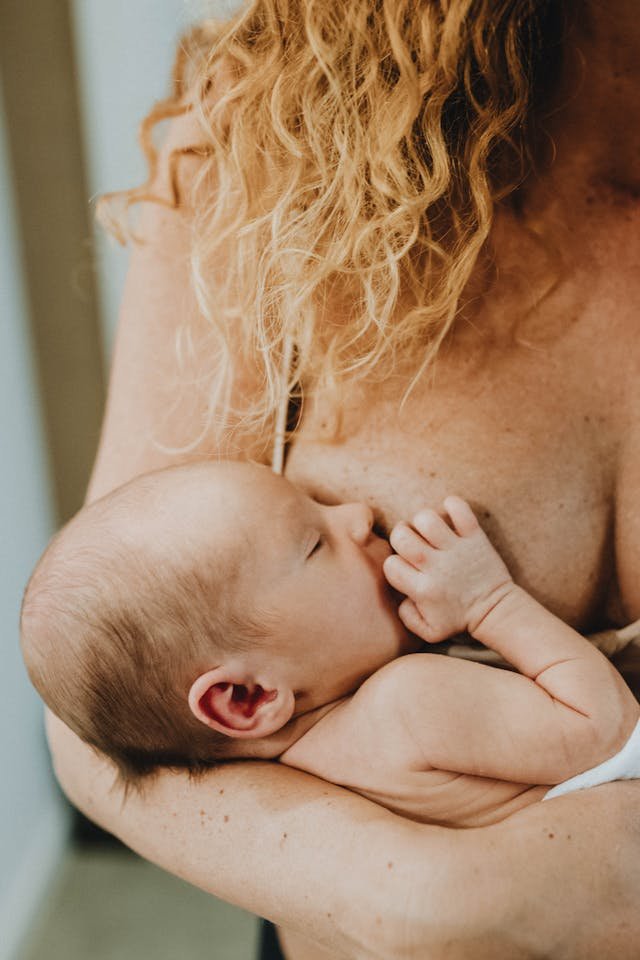
Fortunately, postpartum hair loss is usually not permanent. However, its temporary nature can range from six to twelve months, during which you might notice a significant thinning of your hair. Specialized products such as a shampoo bar formulated for thinning hair with ingredients like rosemary and biotin can promote scalp health and aid hair regrowth. Understanding the underlying causes can also alleviate some of the concerns.
What’s going on
During pregnancy, heightened levels of estrogen prolong the growth phase of hair, causing strands that would normally shed to remain in place. This is why many women experience thicker, fuller hair during their pregnancy.
Following childbirth, estrogen levels drop significantly, resulting in a sudden loss of hair that had accumulated over nine months. This process, known as telogen effluvium, usually peaks around three to four months postpartum.
It’s important to note that no one experiences complete baldness from this; it’s simply the shedding of the extra hair accumulated during pregnancy. However, finding hair in unexpected places such as the baby’s diaper or around the house can be disconcerting.
The timeline
Typically, women start to notice hair shedding between two to four months postpartum, peaking around four to six months before gradually slowing down. By the time the baby turns one, most women see their hair return to its pre-pregnancy fullness.
For some, the process may take longer. Breastfeeding can prolong this period due to persistent hormonal fluctuations. Additionally, if a woman had thinner hair before pregnancy, she may perceive the shedding more acutely as a new mother.
If significant hair loss continues beyond the one-year mark or if the thinning appears to be patchy, consulting a healthcare provider is essential as postpartum thyroid issues and iron deficiency are common concerns.
Nutritional considerations
Carrying and nourishing a baby can deplete vital nutrients in a mother’s body. Key nutrients such as iron, zinc, vitamin D, and B vitamins may decline during pregnancy and continue to be affected by breastfeeding. Any deficiencies can potentially exacerbate hair loss beyond the standard postpartum shedding.
Iron deficiency is particularly crucial to address. Many postpartum women experience anemia, often underdiagnosed as symptoms like fatigue and weakness can easily be attributed to the general tiredness of new parenthood. A simple blood test can determine ferritin levels, and supplementation can aid both energy levels and hair health.
Protein intake is also important, as hair is made up of keratin, which necessitates an adequate protein supply for production. Amidst the chaos of caring for a newborn, meals can often lack enough protein.
Strategies for improvement
While postpartum hair shedding cannot be entirely prevented, measures can be taken to support healthy regrowth and minimize additional hair breakage.
Stimulating the scalp can enhance blood circulation to the follicles. Clinical studies have shown that rosemary extract can promote circulation and may foster hair growth. Simple techniques like massaging the scalp while shampooing are inexpensive and provide a moment of relaxation during sleepless nights.
Gentler cleansing methods are essential; harsh sulfates can damage delicate hair and irritate sensitive scalps. Opting for milder ingredients can reduce breakage during washing.
Biotin support is significant for keratin production, and many prenatal vitamins include this nutrient. Continuing to take these vitamins postpartum ensures sufficient biotin intake.
Using protein-packed treatments, like those containing hydrolyzed quinoa or rice protein, can bolster new hair growth and decrease breakage. Although these products cannot regrow hair, they help existing hair appear fuller.
What doesn’t work
Panicking is counterproductive; while it may be challenging to manage, stress can prolong hair shedding. Telogen effluvium can be triggered by physical stress, which includes chronic stress.
Harsh hairstyles should be avoided. Postpartum hair is often fragile and can break easily; hairstyles that are too tight or high-heat styling can exacerbate the issue. Instead, consider gentle styles like loose braids or clips.
Be cautious of expensive supplements with proprietary blends. If the label doesn’t specify precise ingredient amounts, those products may not offer good value. The essential nutrients for hair, like iron, zinc, biotin, and vitamin D, can be found affordably in supplements or quality prenatal vitamins.
Patience is key
Coping with hair loss in the postpartum period is primarily a matter of waiting. Hormonal fluctuations need time to regulate, and the body must recover. In time, the hair will return.
By nourishing the body through diet, treating hair gently, and employing supportive products, the transition can become more manageable. Within a year, those often-noticed baby hairs will start to regrow along the hairline.

Add Your Comment Cancel reply