

When considering a new monitor purchase, there are several factors to keep in mind before reaching your conclusion. Most importantly, determine the size of monitor that fits your needs—whether it’s a standard option or a larger gaming monitor—especially if you spend considerable time in front of the screen. Additionally, assess your current computer model to confirm it can support your desired monitor type. Here are some essential tips to help you select the right monitors and gaming monitors that suit you:
Why Choosing the Right Monitor Matters
Selecting a high-quality monitor significantly enhances your productivity and enjoyment while working. With a myriad of options available, finding the right monitor can be challenging. Key aspects to consider include size, resolution, brightness, refresh rate, and panel type.
For those seeking a monitor specifically for gaming, certain features may hold more weight since a substandard monitor can hinder the performance of a powerful graphics card.
Selecting the Proper Size
Whether shopping for a standard monitor or a gaming variant, ensure it matches your requirements. If your computing activities include watching movies, playing games, and using office applications, an all-in-one monitor could be an ideal investment.
These versatile monitors can double as TVs or gaming displays if they come equipped with the right features. Some even allow for direct Wi-Fi connectivity, facilitating easy storage for your photos and important files. While these multifunctional devices tend to be more expensive upfront, they can prove to be more economical over time as they replace the need for multiple gadgets.
Think About Resolution
Resolution is another critical factor when evaluating monitors. This term refers to the pixel count on your screen; typically, a higher resolution results in sharper and more detailed images compared to those produced by a lower resolution monitor.
Although most computers come with functional displays, the specifics of choosing a monitor can be confusing. Thankfully, we can simplify this decision with these seven straightforward tips.
What About Input Lag?
Another crucial element to contemplate when selecting a monitor is its input lag, which measures the time it takes for a signal from your computer to reach the monitor and display on-screen. This is particularly significant in gaming monitors, as gamers need to respond quickly to visual cues.
Excessive input lag can hinder your reaction times, whether you’re gaming or utilizing professional software, making the experience frustrating. Therefore, ensure the monitor you choose meets your gaming requirements by having an acceptable input lag level.
Research and Compare Monitors
With the vast array of monitors available, selecting the right one can be daunting. An unsuitable monitor can lead to eye strain or fatigue—definitely not something you want if you plan onlong hours of usage. Before making a purchase, dedicate some time to research and compare your options; you may discover surprising features!
Play on a Computer Monitor Instead of a TV!
Your computer monitor is designed to enhance your experience. They are more reliable than TVs, provide superior refresh rates for gaming, and ultimately save money in the long run. While it’s possible to use an HDTV for gaming, only models with at least 720p or 1080p resolution are worth considering as primary monitors for gaming.
If your TV is 720p (1,280 x 720) or higher, you can utilize it as a secondary monitor that offers more desktop space or window management.
Optimize Settings Based on Your Needs
Although monitors are relatively simple devices, they include various settings that can be tailored to your preferences. If you’re gaming or editing images, brightness and contrast settings are likely essential. Conversely, light tasks like reading emails can be effectively managed with lower resolution settings.
When selecting your monitor, make sure it aligns with your requirements and adjust the settings accordingly before using it in your home or office. Your eyes will appreciate the effort!
Consider Going Large
While “bigger” is not always synonymous with “better,” many gamers—especially those fond of action-packed games—benefit from a larger display for an immersive experience. If you’re straining your neck to see smaller texts or subtitled details on a 24-inch monitor, it may be time to upgrade to a larger screen.
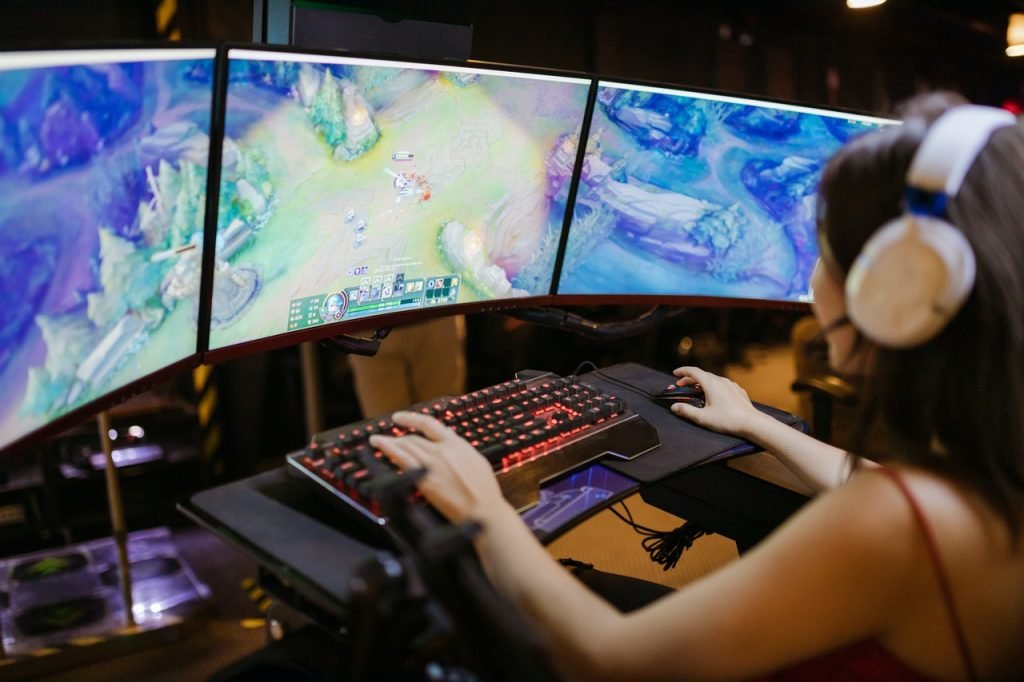
Hardcore gamers often recommend 27-inch monitors as they provide excellent viewing angles and ease of use. Alternatives include curved screens, which enhance immersion, gaming laptops that pack desktop-level graphics power in a compact form, or multi-monitor setups for expansive displays.
Final Thoughts
By adhering to these straightforward guidelines, you can greatly enhance your computer gaming experience. Whether you’re in pursuit of larger, clearer displays or monitors that boast quicker response times and higher refresh rates, these tips should assist you in selecting an appropriate monitor that caters to your needs.


Add Your Comment Cancel reply