
Every parent aspires to give their child the best possible beginnings. Balancing enjoyment and learning may seem daunting for families, yet it is a crucial decision that influences a child’s perception of the world for years to come.
Structured educational programs serve as a roadmap for guiding children through their critical early years. They create a safe atmosphere where kids can explore and form friendships while developing new interests and skills each day.
Fostering Social Confidence
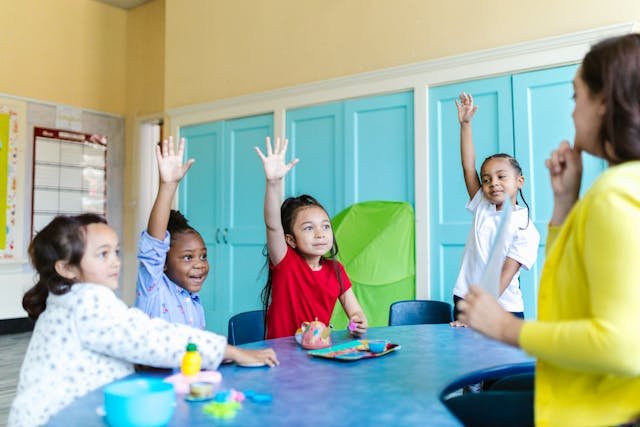
Engagement is fundamental to the growth of young children. In communal settings, toddlers learn valuable lessons such as sharing and taking turns.
Choosing the right environment for toddlers becomes a priority for many families, often leading them to search for child care services nearby, seeking a nurturing place where their children can flourish. This step is vital for helping kids become comfortable around new faces and navigate their surroundings.
Surrounding themselves with peers enables toddlers to improve their communication skills as they observe and imitate positive behaviors throughout the day.
Creating Consistent Daily Routines
Toddlers thrive on predictability; knowing what to expect next helps them feel secure. A stable routine minimizes stress and empowers them to feel in charge of their choices, making their environment more manageable.
Education experts highlight the significance of steady routines in laying a solid foundation for children’s growth. A structured day enables kids to transition smoothly between activities without anxiety or disruption, producing a harmonious rhythm.
Such consistency teaches children responsibility and can foster their grounding in the following areas:
- Regular meals for developing healthy habits.
- Designated rest times for recharging.
- Dedicated moments for creative play.
Cultivating Emotional Self-Regulation
Young children require practice to manage their emotions. Educators assist them in processing moments of frustration or sadness during play and group activities. Learning to cope with setbacks is an essential part of development.
A research study published in a child psychology journal found that children who practice delayed gratification demonstrate greater self-discipline. Such experiences occur daily in classrooms, where children take turns with popular toys or books, teaching them that good things come to those who wait.
Mastering the ability to wait represents a significant achievement for toddlers. It contributes to improved behavior and assists them in maintaining calm during new or challenging situations, allowing them to focus on learning rather than becoming upset over minor setbacks.
Fostering Respect for Others
Educational settings bring together children from diverse backgrounds and experiences, providing an opportunity for kids to recognize that each person is unique. They are taught to appreciate differences as something to celebrate rather than to fear.
A scholarly article indicated that organized social interactions contribute to the development of values such as empathy and acceptance. Early learning through group activities and shared narratives helps children cultivate kindness and open-mindedness, essential traits for engaging with the world.
Educators encourage inclusive behaviors and thoughtful interactions, helping children learn to treat their peers with the attention they wish to receive themselves during all activities.
Enhancing Language and Literacy Skills
Regular conversations with peers and adults significantly enrich a child’s vocabulary. They encounter new words during story sessions and discussions about their favorite topics.
Exposure to books and letters at an early age ignites a fascination with reading and writing. As children grow, they begin to identify symbols and sounds integral to literacy, turning the classroom into a lively environment where learning is enjoyable.
Effective communication reduces frustration, enabling children to express their needs and thoughts using words rather than physical gestures or tears.
Laying the Groundwork for Future Academic Success
Transitioning from preschool to elementary school is a significant milestone for young learners. A background in structured programs assists in making this journey smoother and less intimidating for children and their families, instilling the confidence to embrace this new chapter enthusiastically.
Children enter their new schools already familiar with following instructional guidance and remaining engaged during lessons while completing assignments promptly.
Early learning experiences create a strong foundation for continuous education and personal growth. Children who experience success in preschool are more likely to embrace schooling positively as they advance through grades, nurturing a lifelong passion for knowledge.
Enrolling a child in a structured learning program is an investment in their long-term success and happiness. This opportunity equips them with the necessary tools to approach life with confidence and kindness, day in and day out.
Each small step taken now paves the way for a brighter future. Observing a child’s growth and learning journey is deeply rewarding for the entire family involved.

Add Your Comment Cancel reply